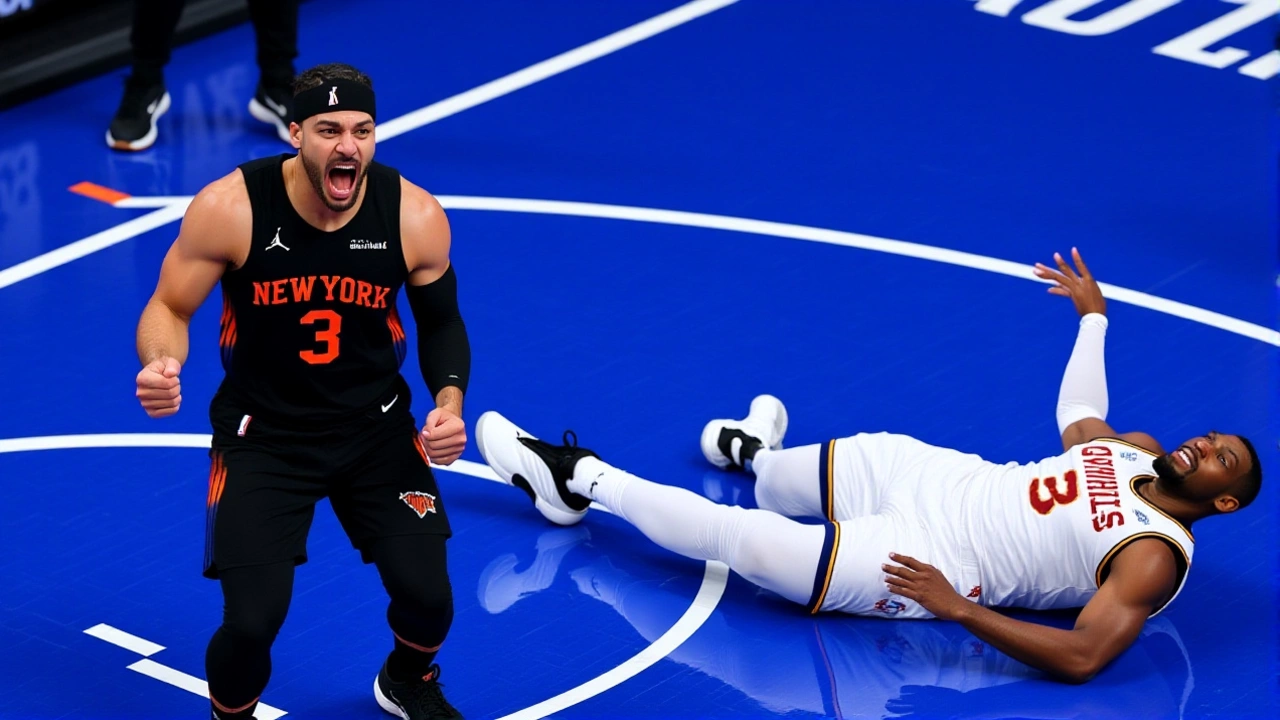
It’s hard to find a more iconic stage than Madison Square Garden, but on Wednesday night, the atmosphere inside felt less like a celebration and more like an exorcism. The New York Knicks didn’t just beat the Cleveland Cavaliers; they dismantled them. With a commanding 109-93 victory in Game 2 of the Eastern Conference Finals, New York tied the series at 1-1, effectively silencing the early playoff panic that had gripped the city after last Monday’s loss.
The final buzzer sounded around 10:45 PM ET on May 21, 2026, leaving 19,812 fans buzzing with a mix of relief and renewed hope. It wasn’t pretty basketball by any stretch—the offense was choppy, and the turnovers were ugly—but it was effective. For the second time in their franchise history, the Knicks have forced the series back to even terms in the penultimate round, proving that home-court advantage isn't just a statistic; it's a weapon.
Defense Wins Championships (And Games)
Here’s the thing about this matchup: everyone expected a shootout. The Cavaliers entered the postseason averaging 119.1 points per game during the regular season, while the Knicks sat at 116.8. But numbers on a spreadsheet don’t always translate to chaos on the hardwood. Instead, we got a defensive clinic.
New York held Cleveland to 93 points, well below their seasonal average. The strategy was simple but brutal: limit transitions, contest every three-pointer, and make the Cavs play through the paint where New York’s size could dominate. The Knicks allowed only 110.7 points per game over the course of the regular season, compared to Cleveland’s 114.9. That half-point difference usually doesn’t matter much. In a high-stakes playoff environment? It’s the margin between confidence and collapse.
"We knew they wanted to run," said Knicks head coach Tom Thibodeau in his postgame presser, wiping sweat from his brow. "But you can’t run if you can’t get out of your own end. We stayed disciplined." That discipline resulted in 46 rebounds for New York, overpowering Cleveland on the glass and denying second-chance opportunities.
Momentum Shifts Quickly
Just two days earlier, on Monday, May 19, 2026, the narrative was completely different. The Cavaliers had stolen Game 1, taking a 1-0 lead and sending shockwaves through the boroughs. The #4 seed looked dangerous, exploiting gaps in New York’s perimeter defense. Fans were already bracing for a long trip to Ohio.
Then came Wednesday. The twist is how quickly momentum swung back. By halftime of Game 2, the Knicks led by double digits. By the end of the third quarter, the game was effectively over. The Inside Guys’ postgame analysis labeled it a "blowout," a term rarely used when describing playoff games between elite teams. But with a 16-point differential, the label stuck.
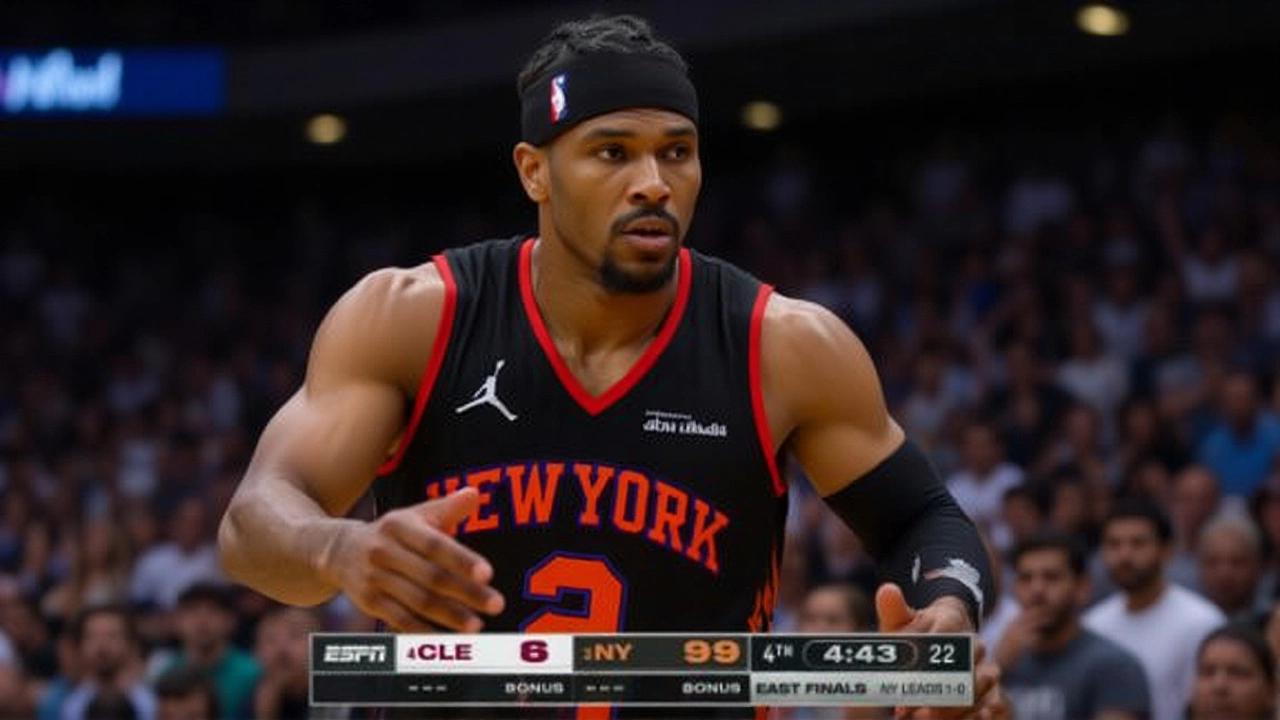
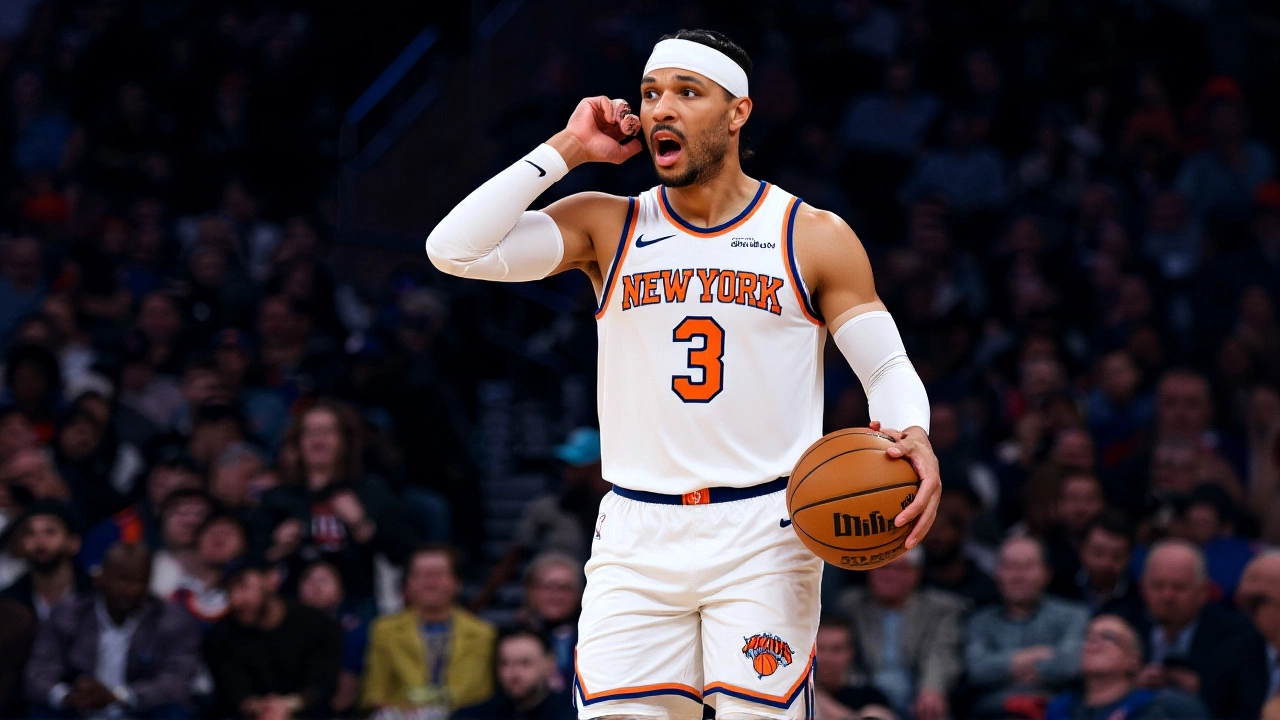
This wasn’t just a win; it was a statement. After dropping Game 1, the Knicks showed resilience typical of championship contenders. They adjusted their rotation, tightened up on communication, and stopped making unforced errors. Josh Hart, who has been instrumental throughout the playoffs, contributed energy off the bench that sparked the team’s defensive intensity.
The Road Ahead: Cleveland Awaits
Now, the series shifts gears. Game 3 is scheduled for Saturday, May 24, 2026, at Rocket Mortgage FieldHouse in Cleveland, Ohio. The venue change matters. While MSG is a fortress, Rocket Mortgage FieldHouse brings its own brand of hostile energy, especially for a team looking to regain control.
The Cavaliers, despite the setback, remain a formidable opponent. Their regular-season record of 39-24 (.619 winning percentage) shows consistency, and their ability to score in volume cannot be ignored forever. If New York wants to take a 2-1 lead back to New York, they’ll need to replicate this defensive effort without sacrificing offensive flow.
Statistically, the Knicks hold the edge in overall efficiency. Their 40-23 regular-season record (.635 winning percentage) gave them the #3 seed, granting them home-court advantage for Games 1, 2, 5, and 7. Tying the series means they’ve protected that advantage so far. But as any veteran player will tell you, playoffs are won one possession at a time, not by seeding.
Why This Matters Beyond the Scoreboard
This series represents more than just bragging rights. It’s a clash of styles: Cleveland’s fast-paced, high-volume offense versus New York’s methodical, physical defense. Historically, teams that win the Eastern Conference Finals often possess a balanced attack. Right now, the Knicks are leaning heavily on defense, which is sustainable for a few games but risky over seven.
Moreover, the psychological impact of tying the series cannot be overstated. For the Knicks organization, known for its intense pressure cooker environment, avoiding a 0-2 deficit is crucial. It keeps the belief alive that they can overcome adversity—a trait essential for navigating the grueling NBA Finals.
Frequently Asked Questions
What is the current status of the Eastern Conference Finals series?
The series is tied at 1-1 after the New York Knicks defeated the Cleveland Cavaliers 109-93 in Game 2 on May 21, 2026. The next game, Game 3, will be played in Cleveland on May 24, 2026.
Who has home-court advantage in this series?
The New York Knicks hold home-court advantage because they finished the regular season with a better record (40-23) than the Cavaliers (39-24). This means they hosted Games 1 and 2, and will host Games 5 and 7 if necessary.
How did the Knicks' defense perform in Game 2?
The Knicks' defense was dominant, holding the Cavaliers to 93 points, significantly below their regular-season average of 119.1 points per game. New York also secured 46 rebounds, limiting Cleveland's second-chance opportunities.
When and where is Game 3 being played?
Game 3 is scheduled for Saturday, May 24, 2026, at Rocket Mortgage FieldHouse in Cleveland, Ohio. The Cavaliers will look to use their home crowd to regain a 2-1 series lead.
What were the key statistical differences between the teams entering the playoffs?
Entering the playoffs, the Knicks averaged 116.8 points per game and allowed 110.7, while the Cavaliers averaged 119.1 points and allowed 114.9. The Knicks had a slightly better winning percentage (.635 vs .619) and superior rebounding metrics.